International Trade
ATA Carnet for Trade Shows: Plan Samples, Returns and Sales
03 Oct 2026 · 22:02 CET
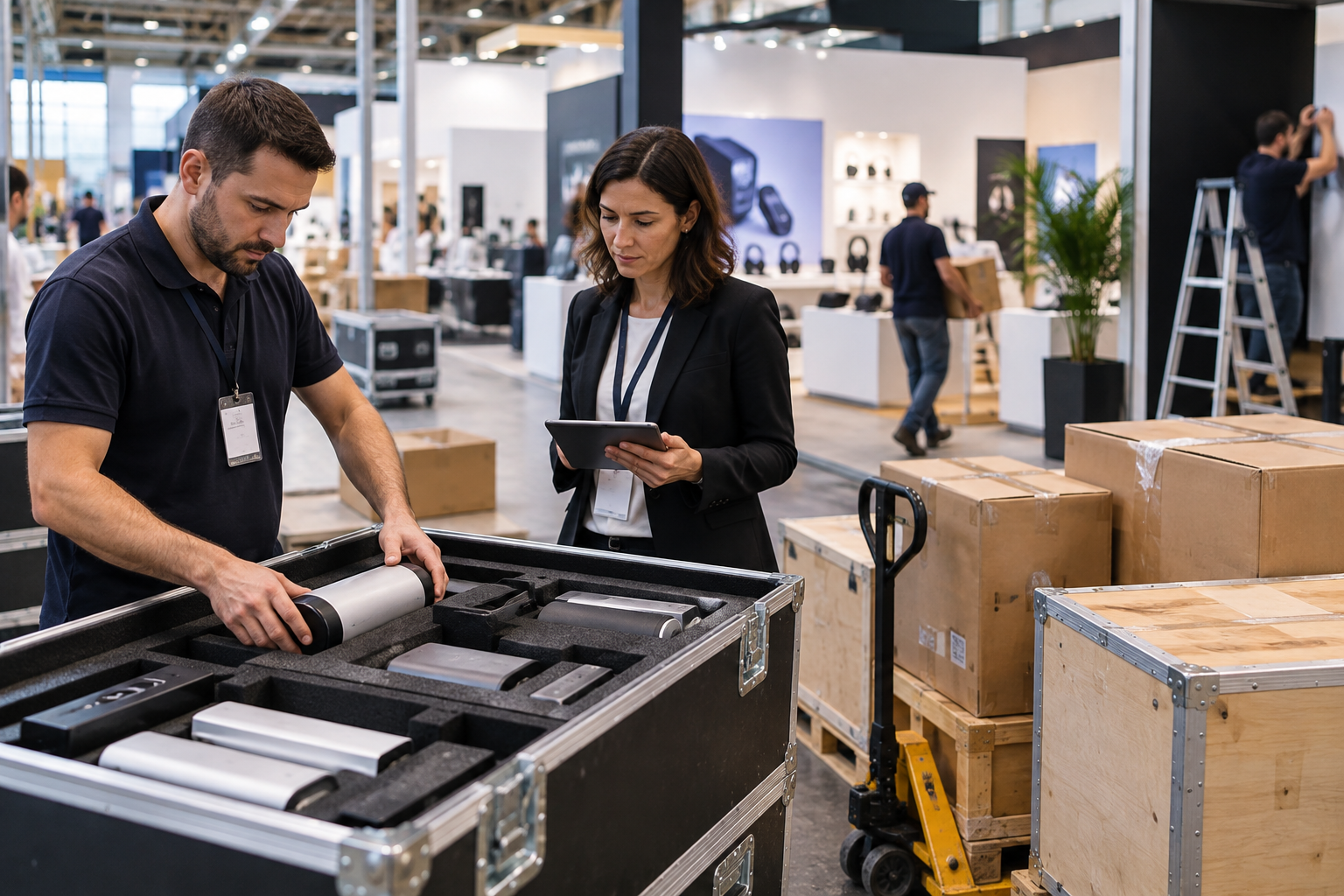
An ATA carnet for trade shows can simplify taking commercial samples, display goods and demonstration equipment overseas without treating them as permanent imports. But the right customs plan starts with commercial intent: which items will return home, which will be used up, and which might become a buyer’s purchase?
That distinction matters before you book freight. A returning demonstration unit and an identical unit intended for delivery to a customer may need different customs treatment. Treat exhibition logistics as part of export planning, not merely transport administration.
What an ATA carnet for trade shows does—and does not do
An ATA carnet is an international customs document supported by a guarantee system. Where accepted, it facilitates temporary admission of eligible goods without payment of import duties and taxes, provided the applicable conditions are met, including re-export.
It can reduce the need for separate national temporary-admission documents and local customs security arrangements. However, issuing fees and security requirements may still apply, and a carnet does not replace product permits, export controls, sanctions screening or transport documentation.
It is not permission to sell, distribute or leave goods abroad without further customs action. Acceptance depends on the destination, the goods, their intended use and the itinerary—not simply on whether you are attending a trade show.
1. Map the shipment by what happens after the show
Create a shipment register before preparing the carnet application. Give each item a planned outcome and assign someone to track it.
Returning display goods and demonstration equipment
Products displayed and then returned, reusable booth equipment, and identifiable demonstration units may be suitable candidates. Eligibility still needs confirmation for the destination and use.
Record whether demonstrations will alter, damage or consume anything. A machine used to demonstrate a process and the materials it processes should not automatically be treated as one customs category.
Giveaways and consumables
Brochures, promotional gifts, tasting products and materials consumed during demonstrations generally need a separate import plan because they will not be re-exported.
Some destinations may offer specific relief for certain exhibition materials, but do not assume it applies. Ask your broker about the appropriate declaration, eligibility conditions and any product-specific controls.
Potential sales stock
Separate goods intended for sale or delivery from genuine returning display items. If the commercial plan is to leave units with buyers, discuss a normal import procedure or another suitable arrangement before shipment.
A practical register should include:
- Item description, quantity and identifying marks.
- Intended use at the event.
- Planned outcome: return, consume, give away or sell.
- Customs procedure proposed for each category.
- Person authorised to approve changes.
For example, a machinery exhibitor might place an eligible returning demonstration machine on a carnet, import demonstration materials separately, and fulfil customer orders through later commercial shipments.
2. Check eligibility for the complete itinerary
ATA carnet requirements are not identical everywhere. Confirm the current position with your authorised issuing association and a customs broker familiar with the destination.
Verify the destination, use and goods
Ask these questions before paying application or freight costs:
- Does the destination participate in the ATA system?
- Does it accept carnets for this exhibition use and goods category?
- Are the products eligible for temporary admission?
- Are permits, inspections or other approvals required?
- Can the planned customs office process the carnet at the intended arrival time?
Participation alone does not establish eligibility for every use. Food, plants, animal products, medical products, telecommunications equipment and controlled technologies can raise additional questions. A carnet does not waive those controls.
Check transit and onward movements
Map every border crossing, including transfers between shows. Ask whether transit formalities apply and whether the carnet needs additional vouchers or other arrangements for the itinerary.
For the temporary import of commercial samples, explain exactly how the samples will be used. Showing an identifiable sample that returns is different from distributing samples to visitors or using them up in testing.
3. Compare a carnet with other temporary-admission options
A carnet is a tool, not automatically the cheapest or simplest option. Compare it with the destination’s national temporary-admission procedure and, for goods that will remain abroad, normal import clearance.
Request a written cost and responsibility breakdown covering:
- Carnet issuance and processing fees.
- Required security, deposit or guarantee arrangements.
- Broker and border-clearance charges.
- National temporary-admission paperwork and security alternatives.
- Administration for multiple destinations or separate shipments.
- Potential charges if goods are not properly re-exported.
Ask the issuer what any security product actually covers. Security supporting a carnet does not necessarily remove the holder’s liability for a customs claim, and it is not cargo insurance.
For a single destination, a local temporary-admission procedure may be workable. For several eligible destinations, a carnet may offer administrative advantages. Compare the full route and workload, rather than only the application fee.
4. Prepare the application and a reliable goods list
To apply for an ATA carnet, start with the authorised issuing organisation in your country or customs territory. Confirm eligibility, processing requirements, fees, security and representation arrangements before finalising the shipment.
Make every listed item identifiable
The goods list should let customs match the paperwork to the physical items. Use:
- Specific descriptions rather than “samples” or “equipment.”
- Brand, model and serial numbers where available.
- Distinctive identifying marks for items without serial numbers.
- Accurate quantities, weights where required, and supportable values.
- Country-of-origin information where requested.
Do not use nominal values simply because goods are not being sold. Ask the issuer or broker which valuation basis applies.
Keep the carnet list, packing list and any supporting invoice consistent. Photos and internal asset records can support identification, but they do not replace required customs formalities.
Finalise the shipment before issue
Check the physical shipment against the application before issuance. Do not assume you can add replacement units or extra products later by handwriting changes.
If the shipment changes, consult the issuer before dispatch. Partial movements or goods travelling separately also need advance planning so the carnet and customs records accurately cover each movement.
5. Coordinate the exporter, forwarder and booth team
When shipping samples for international trade shows, clear handovers are as important as document preparation. A forwarder cannot correct a booth team’s unrecorded giveaway simply by arranging return freight.
Give all parties a shared movement plan stating:
- Who holds and presents the carnet.
- Who is authorised to act for the holder.
- Which customs offices will handle each movement.
- Which goods and list item numbers travel on each leg.
- Who checks customs endorsements or electronic records before goods leave customs control.
- Who monitors return dates and exceptions.
Arrange for the goods and carnet to be presented to customs at export, temporary import, re-export and re-import, following the applicable procedures at each border. Transit movements may require their own formalities. Confirm whether paper or electronic carnet procedures apply to your itinerary.
Do not assume that an exhibition venue’s receipt, a freight booking or a carrier’s delivery scan proves that customs obligations have been discharged.
Track the customs deadline, not just carnet expiry
Carnets generally have a maximum validity of one year, but customs may set an earlier deadline for re-export. Record the deadline imposed on admission and any other conditions.
Schedule return freight with room for disruptions. If plans change, contact the issuer and destination broker before the deadline; an event extension does not automatically extend temporary admission.
6. Handle buyer requests before goods change hands
A promising booth conversation can create a customs problem when a buyer asks to keep the display unit. Selling goods imported under an ATA carnet is not simply a matter of raising an invoice.
Before selling, transferring, donating or leaving an item behind, ask the destination broker and customs authority whether conversion to permanent import or another authorised procedure is possible. Coordinate with the carnet issuer as well.
Clarify:
- Who will act as importer and whether they are eligible.
- Which duties, taxes and clearance charges apply.
- Whether additional product approvals are needed.
- Which customs steps must occur before delivery or transfer.
- What evidence is required to discharge the obligations for that carnet entry.
Payment by the buyer does not itself regularise the goods’ customs status. Nor should you assume a sale is permitted merely because the buyer offers to pay import taxes.
Agree a commercial fallback: take an order and ship a separately cleared production unit later. This can preserve the sale while allowing the display unit to return as planned.
7. Close the carnet with a complete evidence trail
After the event, reconcile actual goods against the list before return dispatch. Report missing, damaged, stolen or destroyed items promptly to the issuer and broker, and follow any local reporting requirements. These circumstances do not automatically discharge temporary-admission obligations.
Use this close-out checklist:
- Confirm required re-export and re-import endorsements or electronic records were obtained.
- Match quantities and item numbers across each movement.
- Check partial shipments and onward destinations separately.
- Retain copies of customs records, transport documents and supporting evidence.
- Report omissions promptly to the issuer and broker.
- Return any paper carnet and complete closure steps according to the issuer’s instructions.
If an endorsement or customs record is missing, ask what alternative evidence customs will accept. A transport record may help establish movement, but acceptance is not automatic.
Finally, confirm the issuer’s closure and security-release process. Physically returning the goods—or returning a carnet booklet—does not by itself settle an unresolved customs claim.
FAQ
Can I use an ATA carnet for giveaways at a trade show?
Generally, goods intended for distribution or consumption need a separate import plan because they will not be re-exported. Ask your destination broker whether any specific exhibition relief is available and what conditions apply.
Does a carnet replace all import paperwork?
No. It facilitates eligible temporary admission but does not replace product permits, export-control checks, transport documents or other applicable requirements. Confirm the full document set for the goods and route.
Can a buyer purchase my carnet-covered display unit?
Possibly, but obtain customs guidance before selling, transferring or delivering it. A permitted change of procedure may require import clearance, duties and taxes, additional approvals, and evidence that the obligations for the carnet entry have been discharged.
What if the goods return after the customs deadline?
Contact the issuing association and destination broker as soon as a delay becomes likely. Do not assume carnet validity overrides an earlier re-export deadline or that late return automatically resolves liability.
Make the customs plan support the sales plan
A well-planned exhibition shipment keeps returning assets, consumables and customer deliveries distinct. That gives your sales team clear boundaries without turning buyer interest into an avoidable customs problem.
Preparing for your next export opportunity? Source products or list your business on IMEX Center, and build your exhibition shipment around the deals you want to make—not assumptions about what a carnet covers.
Source or sell globally with IMEX Center
Browse verified suppliers →