Import & Export
Avocado Exporters in Kenya: Sourcing Hass for Dutch Ripening Programs
30 Oct 2026 · 06:02 CET
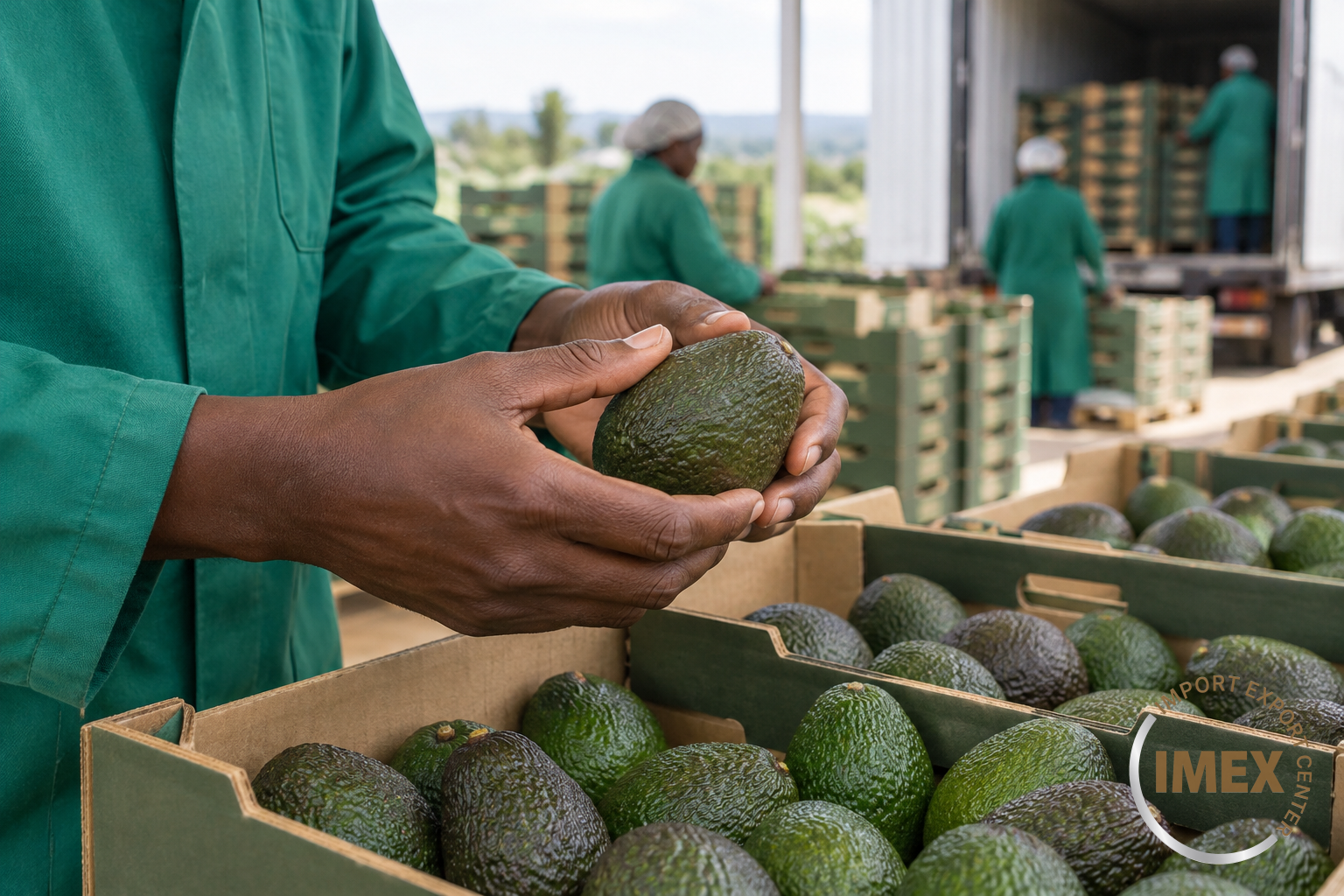
The right avocado exporters in Kenya offer more than a competitive carton price: they provide shipment-specific evidence that helps Dutch buyers assess whether fruit will arrive in a condition suitable for their ripening and distribution schedule. A container that clears customs but misses its intake window—or ripens unevenly—can undermine an otherwise attractive purchase.
For procurement managers and ripening operators, the sourcing question is practical: can this supplier deliver traceable Hass fruit with the maturity, handling history and arrival condition your program requires?
Build the buying process around that question, from the first RFQ through pilot approval and repeat bookings.
Define the Dutch buying program before approaching exporters
Start with the ripening calendar, not an available-container offer. Procurement and operations should jointly define the intake requirement before requesting prices from Kenyan Hass suppliers.
Your program brief should specify:
- Weekly intake volume, shipment frequency and permitted quantity tolerance.
- Delivery location, receiving hours and acceptable arrival window.
- Intended ripening slots and subsequent customer dispatch dates.
- Size distribution, count convention and permitted variation within cartons.
- Carton net weight, packaging, pallet configuration and labeling requirements.
- Target condition at intake and the required finished product specification.
- Any separately identified retail, foodservice or customer certification requirements.
Distinguish vessel arrival from fruit available at the ripening facility. Discharge, inspections, customs clearance and inland transport sit between those milestones.
Owner and timing: the buyer’s procurement lead and ripening manager should approve one shared specification before supplier outreach. This prevents purchasing from accepting fruit that operations cannot schedule or process.
Assess avocado exporters in Kenya through shipment evidence
A supplier profile is a starting point, not proof that a particular shipment meets your requirements. Ask exporters to connect their commercial offer to identifiable orchards, packing facilities and handling records.
Verify the seller’s legal identity, registration, signing authority and payment beneficiary before commercial commitment. Mark unresolved information as pending verification rather than treating a polished quotation as confirmation. Exporters should likewise verify the buyer’s identity and authority before accepting a commitment.
Connect harvest maturity to ripening performance
Dry matter can inform avocado maturity assessment, but a single result does not establish uniformity across a mixed shipment. Skin appearance is also insufficient evidence of physiological maturity or expected ripening behavior.
Before harvest approval, the exporter and ripening operator should agree on:
- Sampling locations, fruit selection and sample size.
- Whether results represent an orchard block, harvest lot or packed consignment.
- The test method, calculation basis and reporting format.
- Acceptance limits and the treatment of variable or borderline results.
- Retesting and segregation procedures when lots differ.
Do not treat a generic maturity threshold as a complete acceptance specification. Meet applicable marketing requirements, then assess buyer specifications and actual ripening performance; legal compliance alone does not establish program suitability.
Request dated results linked to the proposed lot. Historical averages may support supplier assessment, but they cannot replace shipment-specific evidence.
Request a harvest and handling plan
Before confirming supply, require the exporter to identify orchard sources, packhouse, proposed harvest and packing dates, lot codes and planned dispatch sequence.
The plan should explain field-to-packhouse handling, precooling arrangements, cold storage and loading procedures. Ask how fruit temperature will be measured and recorded, not merely which refrigeration setpoint will be used.
Extended or poorly controlled intervals between harvest, packing and cooling can affect the fruit’s remaining storage and ripening potential. Require the exporter’s technical lead to document proposed changes and obtain the buyer’s designated technical approval for material departures before loading.
Work backward from the ripening slot
When evaluating commercial shipments from Kenya, compare logistics plans against the receiving schedule rather than ranking offers only by freight rate or advertised transit time.
The importer, exporter and forwarder should map the full journey: packhouse release, inland movement, terminal cutoff, sailing, transshipment where applicable, discharge, clearance and final delivery.
Assess temperature and atmosphere controls together
There is no single temperature instruction suitable for every Hass shipment. The operating plan should reflect maturity, fruit condition, expected journey, equipment capabilities and the ripening operator’s experience. Excessive chilling and inadequate cooling can both create problems.
If controlled-atmosphere transport is proposed, ask who specifies the settings, confirms suitability and reviews the equipment records. It is a handling tool, not a remedy for unsuitable maturity or poor pre-shipment management.
Agree before booking on:
- Fruit-temperature expectations at loading and the measurement method.
- Container preparation, airflow and loading requirements.
- Temperature-monitoring devices, placement and access to records.
- Atmosphere instructions where applicable.
- Escalation contacts for missed sailings, equipment problems or delays.
Build a usable contingency
A contingency should identify decisions, owners and deadlines. For example, the importer’s logistics lead should assess alternative delivery timing when a sailing changes, while the ripening manager decides whether the revised intake remains usable.
Set the latest acceptable arrival window and a notification deadline for forecast deviations. Do not assume accelerated ripening will recover every logistics delay without affecting saleable condition.
Verify destination access before committing
Businesses planning to import avocados from Kenya to the Netherlands should verify current requirements for the actual product, origin, shipment and intended sale. This article is not an admissibility confirmation for any consignment.
The importer and customs broker should check official sources before commitment and reconfirm relevant requirements before dispatch:
- Plant health: applicable import conditions, phytosanitary documentation, entry controls and notifications.
- Pesticide residues: current EU maximum residue levels and a risk-based testing plan linked to orchard treatment records.
- Marketing standards: applicable quality, maturity, sizing, presentation and labeling rules.
- Customs and shipment records: classification, origin documentation where relevant, invoice, packing list and transport documents.
Use the European Commission’s plant-health information, EU Pesticides Database information, the Netherlands Food and Consumer Product Safety Authority and KEPHIS as starting points. Consult the relevant authority when applicability is unclear. The exporter should also confirm applicable Kenyan export authorizations and any current harvest or export restrictions before booking and dispatch.
Separate mandatory requirements from customer-requested certifications. Where a buyer requests a certification, verify its validity and scope against the actual producer, packhouse and activities involved. A certificate does not prove that every shipment complies with residue limits or the agreed quality specification.
Run a pilot through the actual ripening process
A sample carton cannot reproduce a commercial shipment’s logistics and handling history. Before approving a repeat program, run a pilot through the intended transport route, receiving procedure and ripening operation.
Agree on inspection before dispatch
The buyer and ripening operator should agree with the exporter on representative sampling across lots and pallet positions. Record arrival condition before processing changes the evidence.
The inspection protocol should cover:
- Lot identity, carton condition, size mix and delivered quantity.
- Fruit temperature and available journey records.
- Firmness, with a defined instrument or assessment method.
- External defects and destructive checks for internal condition.
- Photographs, sample identification and retained evidence where appropriate.
- Inspection deadlines, notification channels and any independent survey arrangements.
Do not use a few attractive cartons as evidence for the whole consignment. Equally, isolated defects need representative assessment before extrapolation.
Measure performance inside the ripening program
Record the actual ripening process alongside observations of softening uniformity, internal defects, decay and saleable output. Evaluate whether fruit meets the buyer’s dispatch specification and remains suitable through the intended distribution period.
If performance disappoints, investigate maturity variation, mixed lots, harvest-to-cooling delays, transport conditions and ripening settings before assigning responsibility.
Owner and timing: the buyer’s quality lead and ripening manager should review results with the exporter before repeat-program approval. Document corrective actions, assign an owner and completion deadline to each, and identify which changes require another pilot. Continue lot-level checks after approval; one successful pilot does not validate every future shipment.
Request a program quotation, not just a price
For Dutch Hass wholesale programs, quotations become comparable only when they describe the same product, service and risk allocation.
Issue an RFQ with a document reference, date, response deadline, authorized buyer contact and verified buyer details. Attach the technical specification, including parameters, units, acceptance limits, measurement basis and test methods. Ask each exporter to provide:
- Legal seller identity, authorized contact and quotation validity.
- Hass origin, proposed orchard sources, packhouse and shipment traceability.
- Weekly capacity, quantity tolerance, shipment windows and partial-shipment conditions.
- Carton format, size mix, unit price, total price and currency.
- A named Incoterms 2020 rule, precise port or delivery point, and proposed loading and destination ports.
- Payment terms, bank acceptance requirements and documentary conditions.
- Technical compliance, declared deviations and supporting evidence.
- Required shipment documents, applicable phytosanitary and origin documentation, and agreed lot test reports.
- Inspection responsibility, cost allocation and claims procedure.
Select the Incoterm to match the shipment and handover arrangement. FOB, CFR and CIF apply to sea or inland-waterway transport; risk transfers when goods are on board at loading. Under CFR and CIF, seller-paid freight to destination does not mean seller-held risk until arrival. CIF also requires insurance, but coverage must be checked against the intended risks. For containerized shipments handed to a carrier before loading, consider whether FCA, CPT or CIP better reflects the agreed handover and carriage responsibilities.
Incoterms do not determine payment, ownership or quality remedies. An LC at sight pays against complying documents, not automatically upon arrival or proof of satisfactory ripening.
Negotiate remedies for missed intake windows and nonconforming fruit separately. Define notification periods, evidence, mitigation duties and how independently established causes affect responsibility. Make any pilot-approval condition explicit before accepting a repeat commitment.
Frequently asked questions
How should Dutch buyers compare Kenyan Hass suppliers?
Compare verified identity, lot-level maturity evidence, harvest and cooling plans, logistics feasibility and pilot ripening results. Price comparisons are meaningful only when packaging, size mix, delivery terms and inspection responsibilities align.
Is a dry-matter result enough to approve a shipment?
No. Its value depends on representative sampling, an agreed method and traceability to the shipment. Assess it alongside handling history, arrival condition and performance in the intended ripening process.
Should the buyer always request controlled-atmosphere transport?
Not automatically. The exporter, logistics provider and ripening operator should assess suitability for the fruit and journey. Controlled atmosphere cannot compensate for unsuitable maturity, poor cooling or inadequate handling.
When should a supplier receive repeat-program approval?
After verification, destination-access checks and a pilot evaluated through the actual ripening and distribution process. Resolve material deviations and document responsibilities before expanding purchases. Maintain lot-level checks on subsequent shipments.
Make arrival performance the buying standard
The strongest sourcing decision connects orchard evidence to a realistic transport plan and demonstrated ripening performance. It gives procurement a comparable offer, operations a usable intake plan and quality teams a measurable acceptance specification.
For a focused sourcing discussion with IMEX Center, prepare your weekly intake brief, technical specification and pilot acceptance criteria. Use those documents—not an exporter’s promotional claims—as the basis for evaluating Kenyan Hass supply.
Source or sell globally with IMEX Center
Browse verified suppliers →