About IMEX
B2B Marketplace for Brands: Prepare Your Wholesale Range for Global Trade
30 Oct 2026 · 14:02 CET
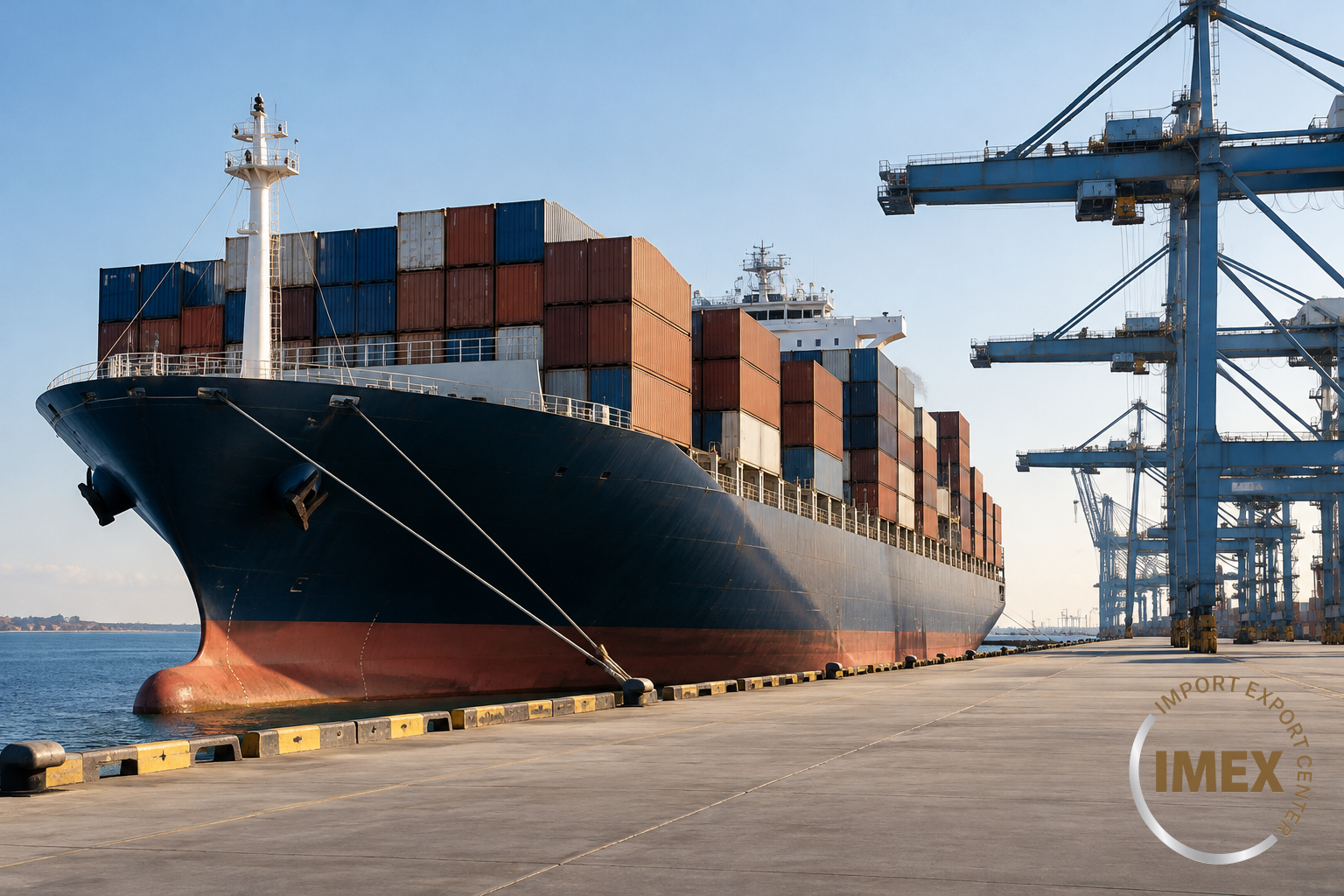
An attractive product range needs an equally credible international wholesale proposition. A B2B marketplace for brands should help you address the questions an overseas buyer asks: Who is selling? Who supplies the goods? What can be delivered, on which terms, and with what supporting services?
For a brand considering IMEX Center, the first task is preparation—not promotion. Connect your brand’s commercial identity with the businesses, evidence and services needed to support an international order. Confirm the platform’s current features and service availability directly before building them into your sales process.
The strongest starting point is one clearly defined, export-ready range—not an entire catalogue offered everywhere without qualification.
What a B2B Marketplace for Brands Should Help You Present
A wholesale buyer evaluates more than packaging and product appeal. They need a commercial proposition they can assess, negotiate and take through their purchasing process.
Your proposition should connect four elements:
- Brand identity: what the range offers and how it fits the buyer’s business.
- Commercial accountability: the legal company making the offer and its authority to do so.
- Supply capability: who manufactures, releases, exports and delivers the goods.
- Transaction readiness: quantities, documentation, delivery terms, payment conditions and supporting services.
An international wholesale platform is useful when it helps bring these elements into the trade conversation. Evaluate available company profiles, opportunity listings and communication tools against those needs rather than assuming a listing makes your business transaction-ready.
Your team must supply accurate information and substantiate its claims. A well-prepared proposition makes those responsibilities visible instead of leaving the buyer to discover gaps later.
Make the Business Behind the Brand Visible
Separate company identity from product and trademark claims
Buyers may recognize your label without knowing the business entitled to quote, contract and receive payment. A company profile is a starting point for investigation, not a substitute for supporting evidence.
Company verification does not itself establish trademark ownership, product compliance or authorization to sell in every territory. Even a verification label needs context: what was checked, by whom and when?
Before approaching partners through IMEX Center or another trade channel, your commercial lead should prepare a consistent business identity:
- Legal company name and registration details.
- Relationship between the legal entity and the trading brand.
- Authorized commercial contact and proposed contracting entity.
- Product categories and wholesale range available for discussion.
- Evidence supporting brand ownership or relevant selling authorization.
- Market-specific compliance documentation, where applicable.
Mark an unknown counterparty as pending verification. Check its legal identity, authority and proposed payment beneficiary, and resolve material discrepancies before commercial commitment. Both buyer and seller require appropriate checks.
Clarify Who Owns, Makes and Exports the Products
A brand’s identity and its operational responsibilities are not necessarily held by one company. Distinguish the brand owner, manufacturer, seller, exporter and importer in your offer and supporting records.
Your business might own the brand, manufacture the range and export each order. Alternatively, a contract manufacturer may produce the goods while a separate seller or exporter handles the international transaction. The destination buyer may act as importer or appoint another business.
These arrangements create different obligations. A manufacturer’s production capability does not automatically give your company authority to promise its capacity. An exporter’s participation does not establish permission to use your trademark.
Build a responsibility sheet before a firm offer
The brand’s commercial lead should identify:
- Brand owner: who controls the brand and authorizes its commercial use.
- Manufacturer: who produces the goods and supplies production evidence.
- Seller: who contracts with the buyer and issues the commercial invoice.
- Exporter: who performs the agreed export tasks and satisfies applicable requirements.
- Importer: who takes responsibility for destination import requirements.
- Fulfillment parties: who packs, stores, releases and dispatches the order.
Confirm these responsibilities with the relevant companies. Do not assume a marketplace verifies the relationships between them. Operations should validate the arrangement before sales promises a firm delivery date.
Use Trade Intelligence to Focus Your Investigation
Trade data, company directories and market research can help you narrow an international wholesale search. If a platform offers a trade intelligence map or similar tool, check its sources, coverage and update dates before relying on it.
Start with a narrow commercial question: which markets and types of wholesale partner merit investigation for this particular range?
Then assess the practical fit:
- Does the potential partner serve an appropriate customer segment?
- Can your packaging and product documentation support the intended market?
- Are there distribution agreements or territorial restrictions to resolve?
- Can your supply arrangement support the likely order size and delivery route?
- Do available trade data distinguish your product category closely enough to be useful?
Treat research tools as a starting point, not evidence of demand for your brand or a recommendation to enter a market. Validate conclusions through direct discussion, independent checks and destination-specific advice where needed.
This keeps expansion decisions tied to your wholesale capabilities rather than the appeal of a new location alone.
Connect Your Wholesale Range with Relevant Trade Opportunities
Buyer requests and tenders can help brand owners assess purchasing needs against a specific assortment. Where these opportunities are available, the objective is not to respond to everything; it is to offer products your business can reliably supply.
Before responding, compare the request with:
- Available products, variants and specifications.
- Minimum order quantities and permitted assortment mixes.
- Unit, carton and pallet configurations.
- Labeling requirements and proposed customization.
- Permitted sales territories and distribution commitments.
- Production availability, dispatch timing and delivery capability.
Distinguish confirmed capabilities from items requiring agreement. If the buyer requests different packaging, explain the proposed change, who must approve it and whether price or timing needs revision.
Make each quotation specific: include a document reference, date, contracting entity, assortment, quantity, currency, unit and total price, validity, shipment window and required documentation. State origin where relevant. Name the applicable Incoterms 2020 rule and port or place rather than quoting an unexplained “delivered” price.
Participation does not guarantee inquiries or orders. The practical benefit of a detailed offer is that a qualified buyer can evaluate it more easily.
Build a Fuller Proposition with Draft Terms and Service Quotes
Draft agreements and service quotations help your team assess the obligations and costs surrounding a product sale. Obtain logistics, inspection, insurance and currency-conversion quotes from suitable providers, whether through available platform services or directly.
If you use automated documents, confirm what the tool produces and review every material term. Automation does not establish signatory authority, legal suitability or the completeness of an agreement.
A hypothetical branded wholesale order
Imagine your company discussing a mixed wholesale order of branded home accessories with an overseas buyer. A separate manufacturer handles production, and the buyer requests destination-specific carton labels.
Before issuing a firm offer, obtain answers to concrete questions:
- Logistics: What route, transport scope and estimated timing are quoted? Which handling, customs or destination charges are excluded?
- Inspection: Which products and quantities will be sampled? What specifications, sampling methods, packaging checks and acceptance criteria will the agreed independent inspector use?
- Insurance: What risks, exclusions, insured value and coverage period are proposed? Who arranges and pays for the policy?
- Currency conversion and settlement: What fees, exchange-rate basis, quote validity and settlement conditions apply? Is the provider suitable and appropriately authorized for the service?
Include quoted costs alongside product costs and packaging changes. Finance should identify unpriced exposure before approving the offer and refresh expired quotes before relying on them.
A quote is not a confirmed booking, insurance cover or completed payment. Confirm acceptance requirements and service terms separately.
Likewise, establish whether a draft or “pre-contract” creates binding obligations, which provisions apply immediately and what conditions must be satisfied. Its label alone does not determine its legal effect. An LOI should distinguish purchasing intent from any expressly binding provisions; it is not a concluded supply contract or proof of funds.
Negotiate the Brand-Specific Details Before Commitment
Online negotiation can help parties organize a proposed order, but it does not replace substantive agreement or independent due diligence. Confirm communication channels and independently authenticate changes to payment instructions.
For branded products, resolve these points explicitly:
- Assortment: exact products, variants, quantities, specifications and substitution rules.
- Packaging and labeling: who supplies artwork, approves translations and pays for changes.
- Sales territory: intended markets and any lawful, agreed channel or resale restrictions.
- Brand use: permitted use of names, logos, product imagery and marketing materials.
- Delivery: named Incoterms 2020 rule and location, shipment window and partial-shipment conditions.
- Payment and acceptance: payment mechanism, currency, documentary conditions, inspection arrangements and claims procedure.
These are matters for agreement—not presumed platform protections. Obtain legal review of territorial and resale restrictions where competition or distribution rules may apply.
Incoterms allocate delivery responsibilities, risk and costs; they do not determine payment or ownership. FOB, CFR and CIF apply to sea or inland-waterway shipments, with risk passing when goods are on board at loading. Under CFR and CIF, the seller pays freight to the named destination; CIF also requires the seller to arrange insurance. For containerized or multimodal movements, assess whether a different rule better fits the handover.
If payment is by LC at sight, agree acceptable banks and documentary conditions. Payment depends on complying documents—not vessel arrival—and the LC does not guarantee goods quality.
Your First-Order Plan on IMEX Center
Build a focused commercial process with clear owners and decision points. Confirm which IMEX Center tools are currently available, then use them alongside your own due diligence and approval controls.
- Commercial lead—before partner outreach: define one export-ready range, intended markets, wholesale quantities, packaging and supporting evidence. Confirm the platform features needed for outreach.
- Commercial lead—before a firm quotation: verify the proposed counterparty’s identity and authority, and confirm the roles of the brand owner, manufacturer, seller and exporter.
- Operations—before a delivery promise: validate availability, packaging work, documentation responsibilities and the proposed fulfillment route.
- Finance—before price approval: review current service quotes, exclusions, currency exposure, payment terms and total transaction costs. Resolve payment-beneficiary discrepancies before funds move.
- Legal and the authorized signatory—before commitment: review brand permissions, territory terms, draft obligations, conditions precedent and final acceptance authority.
The goal is one coherent wholesale proposition: a defined range, accountable parties, supportable delivery commitments and clear commercial terms. Your team supplies the evidence and decisions that make it credible.
Frequently Asked Questions
Can a brand using a contract manufacturer prepare an offer for IMEX Center?
Yes. Separate manufacturing and exporting arrangements can support a wholesale offer. Confirm current platform participation requirements, then document each party’s authority, capacity and responsibilities before making a firm offer.
Does company verification prove trademark ownership?
No. Company verification is distinct from trademark ownership, product compliance and territorial selling authorization. Check the scope of any verification and obtain appropriate evidence for each relevant claim.
Do service quotes mean an order is ready to ship?
No. Quotes help assess scope and cost. Bookings, insurance cover, payment arrangements, product readiness and contractual obligations still require confirmation.
What should a brand prepare first?
Prepare one export-ready wholesale range with clear specifications, quantities, packaging, intended markets and accountable supply partners. Resolve material gaps before approaching buyers with firm commitments.
Visit IMEX Center to review current participation options and available tools before planning your first wholesale approach.
Source or sell globally with IMEX Center
Browse verified suppliers →