
Import & Export
Leather Bag Manufacturers in India: Private-Label Sourcing for UK Retailers
26 Nov 2026 · 06:03 CET
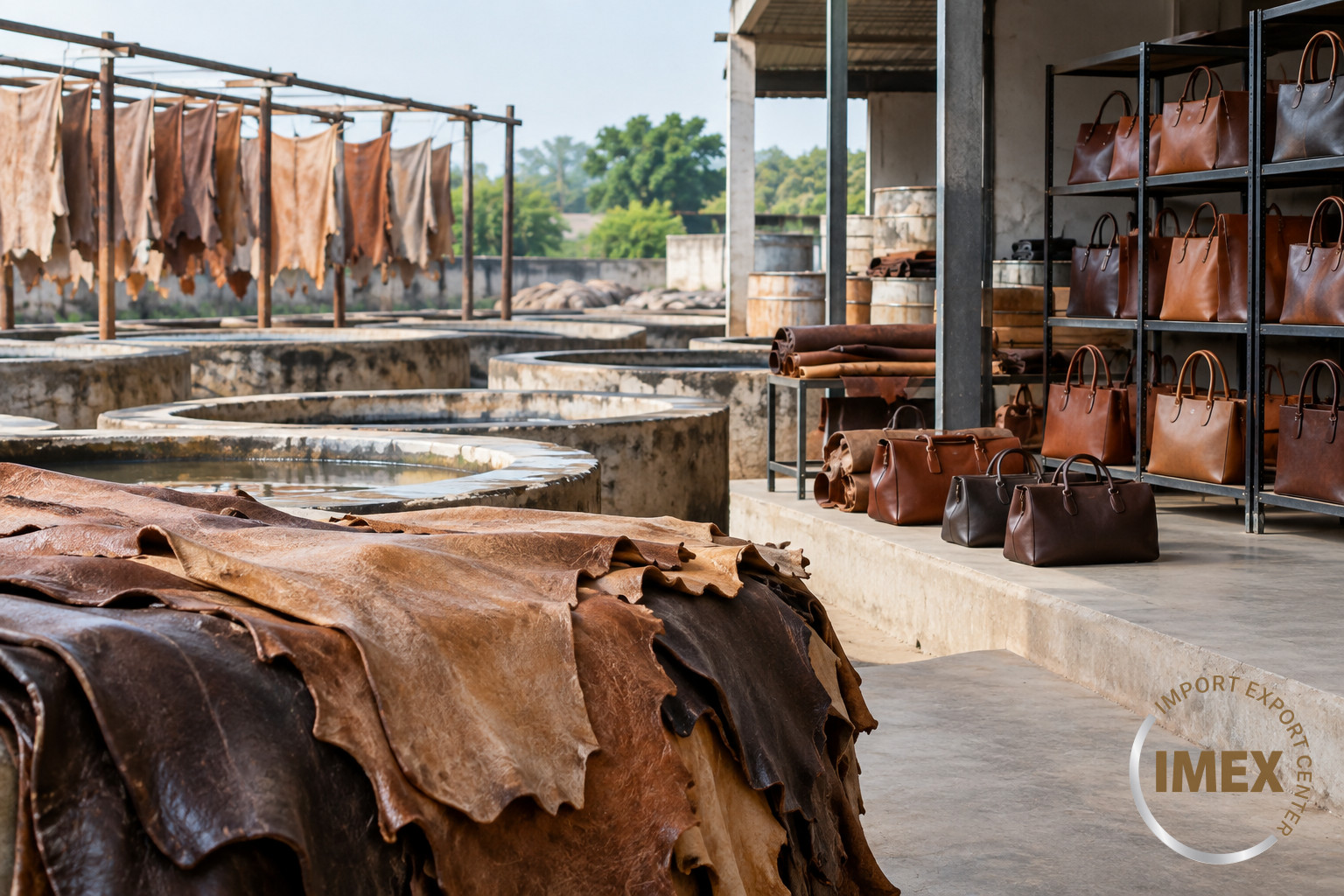
Two leather bags can look identical on a sample table and perform very differently in customers’ hands. The difference may sit inside a strap, beneath a lining or in a finish that transfers colour onto clothing. When comparing leather bag manufacturers in India, your strongest starting point is a component-level specification—not the words “genuine leather”.
For UK retailers, private-label sourcing must connect the retail promise with what the factory actually makes. That means defining materials, exposing construction differences in quotations and agreeing evidence-based release gates before committing to production or shipment.
This guide explains how to build that buying process for delivery to Great Britain—England, Scotland and Wales—with separate checks where Northern Ireland is involved. It does not offer an unverified supplier ranking or assume that an exporter’s credentials prove manufacturing capability. Shipment-specific legal requirements, tariff measures and preferential arrangements need checking against current official guidance.
Start with a retail brief the factory can price
“Premium leather handbag” is a positioning statement, not a production instruction. Translate your intended retail offer into measurable requirements before requesting samples.
Your brief should identify:
- Bag styles, dimensions, dimensional tolerances, internal layout and intended carrying load.
- Target customer, intended use, retail positioning and required appearance.
- Order quantities by style and colour, plus expected repeat-order sizes.
- Branding method, logo placement, packaging and proposed consumer information.
- Target delivery date and named delivery location.
- Target landed-cost budget, separated from the factory purchase price.
Ask whether the respondent manufactures the bags, manages subcontractors or trades finished products. Indian leather bag exporters may provide useful coordination, but their role must be explicit. Record the legal seller, production location and responsibility for subcontracted processes, including finishing, stitching and hardware assembly where relevant.
Request evidence relevant to your design: comparable product samples, production capabilities and permission for an appropriately scoped factory assessment. A company registration or export credential supports an identity check; it does not establish that a factory can make your bag consistently.
For Northern Ireland deliveries, identify the destination at enquiry stage. Do not assume that the Great Britain customs and chemicals route applies unchanged.
How to compare leather bag manufacturers in India
The most useful comparison document is a component map linked to drawings or annotated photographs. It prevents one factory from quoting leather throughout while another uses leather only on the most visible panels.
Replace “genuine leather” with a material schedule
For each component, specify species, material construction, finish, thickness range and any permitted backing. Distinguish full-grain, corrected-grain and split leather, and explicitly identify bonded or reconstituted materials and synthetic alternatives. These descriptions are not interchangeable durability guarantees: tanning, finishing, thickness and construction also affect performance.
| Component | What to specify |
|---|---|
| Front, back and side panels | Species, leather construction, finish, thickness, appearance limits and panel matching |
| Base and gussets | Material, thickness, reinforcement and abrasion expectations |
| Handles and shoulder strap | Surface and underside materials, internal reinforcement, edge treatment and attachment construction |
| Trim, tabs and zip pullers | Whether leather is required, permitted alternatives and colour matching |
| Lining and pockets | Fibre composition, fabric construction, weight or thickness where relevant, and colourfastness requirements |
| Reinforcement | Material type, location, dimensions and bonding or stitching method |
A leather-faced strap can conceal a different underside and an inadequate internal core. A structured tote may depend heavily on board, foam or other reinforcement. Mixed-material construction is not automatically unacceptable; undisclosed substitutions and misleading product descriptions are the problems.
Define natural markings and matching
“Natural leather variation accepted” leaves too much room for disagreement. Agree photographs showing acceptable scars, grain variation and colour differences, then assign appearance zones.
You might permit specified markings on an underside panel while rejecting them on the main front panel. Require matching between adjacent panels and paired handles within agreed visual limits, assessed under defined lighting.
Approve a reference sample and signed material schedule together. Identify the controlling version of each document and establish which requirement takes precedence if the sample and written specification conflict.
State that changes require written approval, including changes to finish, backing, reinforcement and material source where that source is controlled by the specification. The buyer’s sourcing manager and QA lead should approve any deviation before the affected materials enter production.
Make the costing sheet reveal construction differences
When buying wholesale leather bags from India, an unexplained price per bag hides the decisions most likely to affect quality.
Ask suppliers to separate leather, lining and reinforcement, hardware, cutting and assembly, branding, packaging, testing and one-off development charges where possible. A factory may not disclose its full internal costing, but it should explain the material and construction assumptions behind its offer.
Leather cutting yield is particularly important. Large clean panels, close colour matching and strict defect exclusions can reduce usable yield. Ask what consumption and yield assumptions support the quotation and what happens if meeting the agreed appearance standard requires more material. Resolve that issue before accepting the price rather than leaving it as a reason for later substitutions.
Compare hardware specifications rather than colour alone: base material, finish, dimensions, zip construction and responsibility for defective components. Check stitch placement, seam allowances, edge finishing and stress-point reinforcement against the approved design.
Keep unit price separate from landed cost. Freight, insurance, inspection, duties, import VAT treatment, clearance and inland delivery affect the buying decision. Ask finance to distinguish cash-flow requirements from recoverable taxes where applicable, and identify which costs remain estimates.
The comparison sheet should show both price and deviations. A cheaper offer that excludes testing, uses different strap materials or assumes a longer shipment window is not an equivalent quotation.
Agree bag-specific tests before bulk production
A sample that looks attractive is not proof that production bags will perform consistently. Your QA lead should agree the test method, conditions, sample size and pass/fail criteria before the production order is released.
Use a bag-specific test plan covering:
- Handle and strap attachment: defined loading, duration or repetitions, attachment points and unacceptable damage.
- Seam performance: specified locations, loading method and limits for opening, tearing or stitch failure.
- Closure cycling: operation of zips, clasps and magnetic closures through an agreed number of cycles.
- Colour transfer: dry and wet rubbing under defined conditions, including relevant contact materials.
- Edge finish and hardware: agreed flexing, adhesion or corrosion checks appropriate to intended use.
- Finished dimensions and usability: tolerances, strap adjustment, pocket access and other design-specific functions.
Do not invent a universal pass load or cycle count. A small occasion bag and a work tote need different performance briefs. Ask a competent laboratory to recommend suitable methods and document any adaptation for the finished bag. Where accreditation is important, check that its scope covers the relevant tests rather than relying on a laboratory logo alone.
Separate commercial acceptance tests from legal compliance. Passing a handle-strength test does not establish chemical compliance, and a chemical report does not establish strap durability.
Agree production sampling and defect categories, including how failures trigger rework, expanded inspection, retesting or rejection. If using an acceptance sampling plan, record its parameters and recognise that a sampled inspection cannot guarantee that every unit is defect-free.
Reports should identify the tested materials or products clearly enough to connect the evidence to the order. Changes in material, colour, finish or supplier should trigger a documented assessment of whether existing evidence remains applicable.
Build the UK import evidence file before dispatch
To import leather bags from India reliably, treat classification, origin, product safety and material compliance as separate checks. Current rates and requirements must be confirmed for the actual shipment; this guide does not assert a live duty rate or preferential entitlement.
Confirm classification and origin
Investigate HS heading 4202 against the exact bag type and outer surface. It is a starting point, not a complete UK commodity code. Different bag functions and outer-surface materials can lead to different classifications.
Give your customs broker product photographs, intended use and the component schedule. Ask the broker to review the UK Trade Tariff and document the classification rationale before dispatch. If material uncertainty remains, discuss whether an appropriate official tariff ruling is needed before relying on the code for repeat orders.
Have the broker check duties, applicable measures and whether any preferential treatment is available on the shipment date. Manufacturing or shipping from India alone does not establish preferential origin. Any claim must meet the applicable origin rules and evidence requirements; a generic certificate of origin does not automatically establish entitlement to a preferential rate.
Use the government’s import guidance to confirm the importer’s registration, declaration and recordkeeping arrangements. Identify the importer of record explicitly, particularly where a seller offers an apparently all-inclusive delivery price.
Check chemicals and species
For Great Britain, use HSE’s UK REACH guidance and competent compliance advice to identify applicable restrictions. Chromium VI in relevant leather articles and certain azo colourants are examples requiring assessment; hardware, coatings and other components may introduce additional considerations.
Define testing scope around the actual materials, finishes, colours and intended contact. A generic report for unrelated leather is not adequate evidence for your order. Ask the compliance lead to confirm the applicable limits, methods and evidence requirements rather than inserting a standard test package without reviewing the product.
Record species precisely, including the scientific name where needed for regulatory checks. If a material may be controlled, consult the government’s CITES guidance and establish any permit requirements before purchase and shipment. Descriptions such as “exotic leather” are insufficient.
Northern Ireland requires a separate review of the applicable customs route and product and chemical regimes, including EU REACH where relevant. Assign that review to your broker and compliance adviser before agreeing delivery terms.
Review product safety and retail claims
Chemical testing is only part of the compliance file. The retailer’s compliance lead should assess applicable product-safety, traceability and consumer-information duties for the intended market and users. Selling under your own brand can affect your regulatory responsibilities; do not assume that the overseas factory carries them all.
Consider foreseeable risks from detachable parts, sharp hardware and strap construction, especially if the product is intended for children. Special features or intended uses may introduce additional requirements that an ordinary handbag checklist does not cover.
Before approving packaging or online listings, substantiate claims such as “full-grain”, “recycled”, “responsibly sourced” or “made in India” with evidence appropriate to the claim. A supplier’s statement or a facility certificate should not be stretched into an unsupported claim about every material or finished bag.
Send one comparable private-label enquiry
Use the same enquiry pack for every shortlisted manufacturer. A structured request produces more useful answers than asking each supplier for its “best price” against a different understanding of the design.
Include:
- Buyer legal identity, enquiry reference, issue date, response deadline and authorised contact.
- Seller legal identity and manufacturing role, with unresolved verification clearly marked pending.
- Component map, drawings, appearance references and test requirements.
- Quantities by style and colour, colour minimums and permitted quantity tolerance.
- Sample charges, tooling, branding costs and ownership of paid tooling and design files.
- Unit and total prices, currency and separately identified one-off costs.
- Named Incoterms 2020 delivery place or port, transport assumptions and shipment window.
- Packaging, carton markings and any partial-shipment conditions.
- Proposed payment milestones, documentary conditions and quotation validity.
- Production capacity for the order, subcontracting disclosure and delivery schedule.
- Technical compliance statement, explicit deviations and supporting evidence.
- Required shipment documents, inspection reports and responsibility for obtaining them.
Choose the Incoterm for the actual transport arrangement. FOB, CFR and CIF are sea or inland-waterway terms, not generic labels for every shipment. Under those terms, risk passes when goods are on board at the loading port; CFR and CIF require the seller to pay freight to the named destination, and CIF also requires insurance. Confirm whether the insurance scope meets your needs.
Incoterms allocate delivery responsibilities, costs and risk; they do not determine payment or ownership. Set those matters separately in the purchase terms. If proposing an LC at sight, remember that payment depends on complying documents, not automatic payment on arrival or proof of goods quality.
An RFQ requests an offer. It is not a concluded supply contract or evidence that either party has completed verification. Verify buyer and seller identity and signing authority before commercial commitment.
Put owners and deadlines on release gates
Three gates prevent unresolved assumptions from becoming expensive commitments. Put actual dates against them once the production schedule is agreed.
- Before deposit or other commercial commitment — sourcing manager and finance: verify the legal seller, signing authority, payment beneficiary and manufacturing role. Obtain signed material commitments and resolve material identity discrepancies. Independently confirm bank-detail changes through an established contact channel. India’s DGFT and the Council for Leather Exports are useful official or industry starting points, not product-quality guarantees.
- Before bulk production — QA lead: approve the reference sample, component schedule, construction details, test criteria and inspection plan. Record who can authorise changes and ensure the factory is working to the same document versions. Resolve failed development tests before production proceeds.
- Before shipment release — sourcing manager, customs broker and compliance lead: confirm classification, applicable import requirements, origin evidence and any necessary permits. Check agreed inspection and test results, shipment documents and packaging conditions. Release shipment only after contractual quality and documentary requirements are satisfied.
The sourcing manager should also agree protective packaging appropriate to the route, including moisture and mould-risk controls, without permitting unapproved chemical treatments. Operations should inspect arriving goods promptly and retain photographs, carton details and affected units where a claim may be necessary.
Write remedies into the purchase terms before ordering: who pays for rework, replacement, retesting and additional inspection; how delivery delays are handled; and when claims must be notified. Assign applicable law and dispute-resolution provisions with appropriate legal advice. An inspection report is much more useful when the contract explains what happens after a failure.
Frequently asked questions
Is “genuine leather” enough for a purchase specification?
No. It does not define species, construction, thickness, finish or which components are leather. Specify external panels, straps, trim, lining and reinforcement separately, with agreed appearance limits and substitution controls.
How should I compare minimum order quantities?
Ask for minimums by style, colour and material, not just total bags. Confirm whether custom hardware, lining or branding creates separate minimums, setup charges or longer lead times. Request the price and schedule consequences of splitting the order across colours.
Does every leather bag use the same UK commodity code?
No. Investigate heading 4202, then confirm the complete code using the exact bag type and outer surface. Your broker should check current tariff measures rather than reuse a code from a superficially similar product.
Can supplier verification replace inspection?
No. Identity verification, manufacturing assessment, material compliance and shipment inspection answer different questions. Review the scope of each check and connect quality evidence to the actual order. A verified identity is not certification of product quality or legal compliance.
Prepare your next sourcing enquiry with IMEX Center
For a UK retail buyer, the next step is not collecting more loosely comparable prices. It is preparing one controlled enquiry and assigning responsibility for the commercial, quality and import decisions it raises.
UK retail sourcing managers: register at IMEX Center for a business account and complete the applicable verification process. Prepare your component schedule, quantities, destination and test plan before using formal RFQ functions available to eligible business accounts. Review the scope of any counterparty verification rather than treating a badge as shipment assurance.
Indian leather bag manufacturers and exporters: register your business and prepare an accurate capability profile. State whether you manufacture, subcontract or trade, and support your offer with product-specific evidence, realistic capacity and explicit deviations from the buyer’s brief.
Operations and finance teams: define the logistics, inspection, insurance and payment support the order needs. Check available provider scope, credentials, commercial terms and any required regulatory permissions before engagement; a service listing does not establish licensing or accreditation.
Individual accounts are limited to eligible service offerings and cannot list goods, create formal RFQs or execute business pre-contracts. Choose the account type that matches your role, and review any generated commercial document before acceptance.
Start with one bag design, one component map and one accountable buying team. Register at IMEX Center to prepare your next business sourcing step.
Source or sell globally with IMEX Center
Browse verified suppliers →