International Trade
Non-Resident Importer in Canada: Should You Import Yourself?
02 Oct 2026 · 18:03 CET
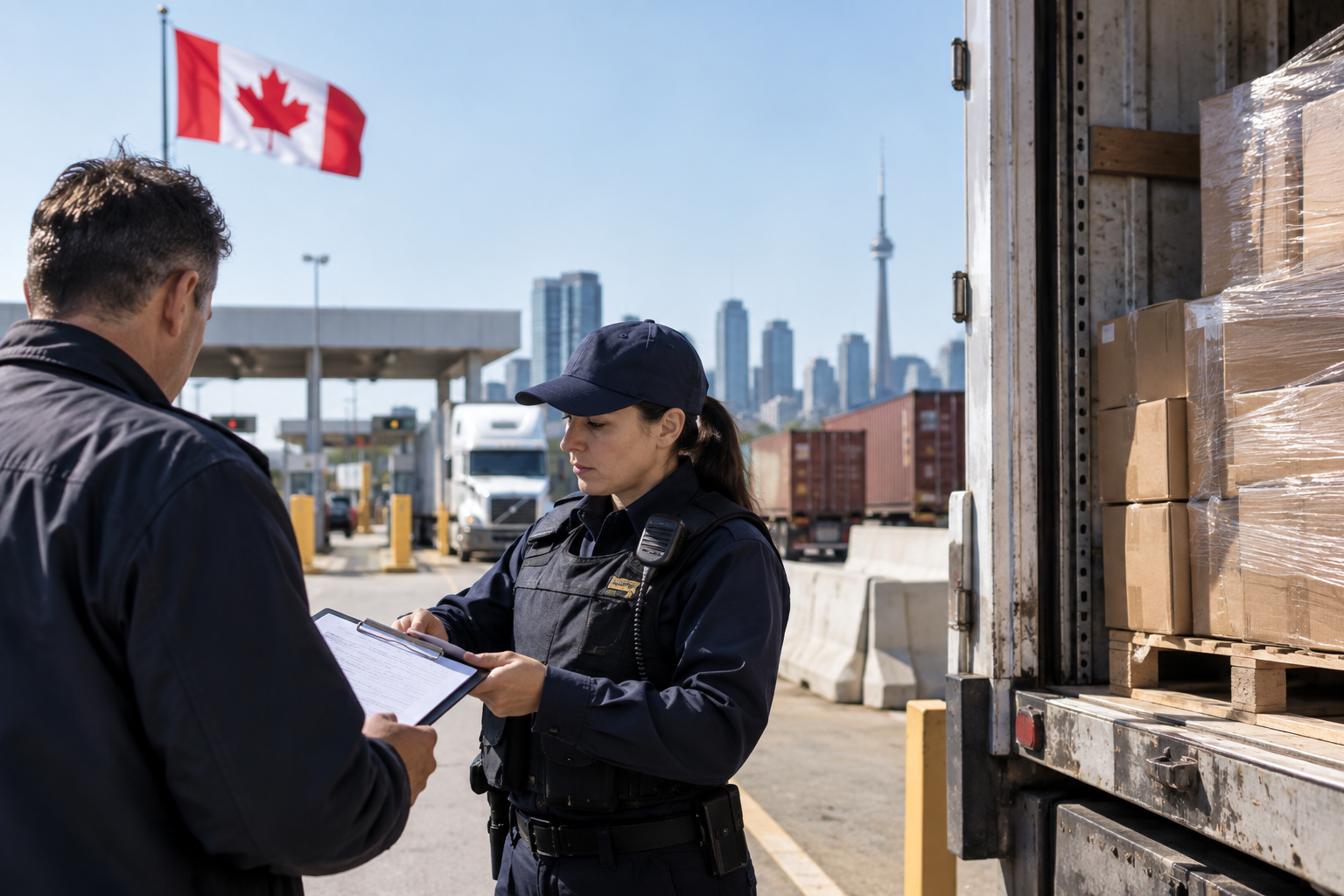
For overseas sellers considering becoming a non-resident importer in Canada, the first question is commercial: will your target customers handle importing, or do they expect you to handle clearance and quote a delivered price? The answer shapes your sales model, margins and operating responsibilities—not just your registration checklist.
A non-resident importer, or NRI, is a business outside Canada that imports commercial goods into Canada while remaining established abroad. This arrangement can reduce purchasing friction for Canadian customers. It also places import obligations on the business acting as importer that cannot simply be delegated away to a freight forwarder or customs broker.
Before promising delivered pricing, decide who should manage importing and whether expected repeat business justifies the commitment.
Start with the buyer’s purchasing requirements
Some Canadian buyers have established customs processes and negotiated brokerage arrangements. Others want an invoice and a domestic-style delivery experience, without arranging clearance or dealing with unexpected import charges.
Ask prospective customers:
- Do you already act as importer for this product category?
- Must quotations include duty, clearance and final delivery?
- Can your procurement team accept responsibility for import taxes and permits?
- Who handles border delays, rejected shipments and returns?
- Would a delivered offer materially improve your willingness to order?
Distinguish between a genuine procurement requirement and a preference for simpler pricing. A buyer may welcome a delivered quote without generating enough order volume to support your additional administration. Also clarify whether “delivered” means transport only or includes customs clearance, duties and taxes.
The decision is whether taking responsibility for importing improves profitable access to customers—not whether registration is possible.
Non-resident importing in Canada: compare three entry models
1. The Canadian customer imports
Your customer takes responsibility for importing under the agreed structure. You supply the goods and documents needed for clearance, while transport and risk allocation follow the sales contract.
This often suits experienced industrial buyers and early market testing. Your setup burden is lower, but each buyer must be willing and able to import. Your quoted product price may also be harder to compare with competitors’ delivered offers.
Confirm the customer’s agreement before dispatch. A consignee address alone does not establish who will undertake the import obligations.
2. A Canadian distributor imports
A distributor purchases and imports the goods, then resells them in Canada. It may also provide inventory, local credit, service and access to customers.
This can reduce your operational workload, but distributor margin and channel terms affect your economics and control. Clarify territory, exclusivity, inventory ownership, product compliance and responsibility for returns. Using a distributor does not necessarily remove obligations that apply to you as the manufacturer or supplier.
Do not assume every intermediary imports. A sales agent that earns commission is not necessarily a distributor purchasing goods or accepting importer responsibilities.
3. Your overseas business becomes the NRI
You take on the import function and sell through a structure designed to simplify Canadian purchasing.
This may suit repeat direct sales where customers value delivered pricing and you want greater control over the commercial relationship. The trade-off is responsibility for customs setup, accurate declarations, records, cash requirements and tax analysis.
Hiring a broker helps execute clearance; it does not transfer all importer obligations to that broker.
Screen product eligibility before investing in setup
A commercially attractive NRI model can still fail if the product or importer does not meet applicable Canadian requirements.
Start with a product dossier containing composition, intended use, technical specifications, manufacturing country, proposed tariff classification and labelling. Product descriptions such as “industrial supplies” are rarely enough for a meaningful compliance assessment.
Check:
- Whether the goods are prohibited, restricted or subject to permits.
- Whether the importer needs a product-specific licence or authorization.
- Whether a non-resident entity can hold the required authorization.
- Applicable safety, packaging, labelling and language requirements.
- Whether testing, certification or supporting documents are required.
- Whether trade-remedy duties or other special measures may apply.
Use the CBSA commercial importing guide and guidance from the responsible product regulator. For relevant categories, consult the Canadian Food Inspection Agency’s import guidance.
Eligibility depends on the product and transaction. NRI status is not a general licence to import every category.
How to become a non-resident importer in Canada
Treat setup as a coordinated process involving your business, customs broker and tax adviser. Confirm current procedures through the CBSA’s CARM guidance.
Verify the entity and accounts
Confirm which legal entity will purchase, sell and import the goods. Determine whether any business registration obligations apply to its Canadian activities; customs registration does not resolve every corporate registration question.
Verify the process for obtaining a Canadian business number and import-export program account for your entity type. Ensure each party’s legal name, identifiers and role are recorded consistently across contracts, commercial invoices and customs records.
Complete CARM registration and authorization
CARM is the CBSA’s Assessment and Revenue Management system for commercial imports. Non-resident importers should plan CARM registration before the first shipment, not leave it until goods reach the border.
Establish the necessary business access in the CARM Client Portal and delegate appropriate authority to your broker. Confirm separate agency documentation where required. Do not assume appointing a broker automatically completes your registration.
Confirm release, payment and security arrangements
If you intend to use Release Prior to Payment, verify current enrolment and financial-security requirements. Importers using this program must arrange their own required security rather than rely on a broker’s security.
Agree how duties and taxes will be funded, reconciled and paid. Establish record-retention procedures and confirm CBSA requirements for record location, access and any authorization needed to maintain records outside Canada.
Separate customs responsibilities from tax treatment
Determining who acts as importer of record in Canada and determining GST/HST treatment are connected tasks, but they are not interchangeable.
For customs, establish responsibility for classification, value for duty, origin, preferential tariff claims, corrections and supporting records. A broker can prepare declarations, but your business must provide reliable information and oversee the process.
For taxes, obtain advice on:
- Import GST and any other applicable import taxes.
- Whether GST/HST registration is required or available.
- Whether tax paid at import can be recovered through input tax credits.
- What documentation and transaction structure support recovery.
- GST/HST treatment of sales to Canadian customers.
- Other tax obligations arising from the chosen operating model.
Customs registration does not automatically create GST/HST registration or guarantee recovery of import GST. The party paying tax, the importer named in records and the person entitled to recovery must be assessed within the actual arrangement.
Use CRA guidance for GST/HST businesses alongside qualified advice. Canadian inventory, local activities and delivery arrangements can affect the analysis.
Build a cost-to-serve and cash-flow comparison
Compare the three models using the same products, order sizes, destinations and service expectations. Otherwise, a low export price can look misleadingly attractive beside a fully delivered offer.
Your worksheet should include:
- Product cost and export preparation.
- International freight and insurance.
- Customs duty and any applicable additional duties.
- Brokerage, clearance and carrier fees.
- Import taxes, separating recoverable amounts from permanent costs.
- Financial-security costs and any collateral requirements, where applicable.
- Canadian delivery, storage and accessorial charges.
- Compliance administration and adviser fees.
- Returns, rejected shipments and warranty replacements.
- Currency exposure, customer credit and working capital.
A useful starting formula is:
Order contribution = net sales revenue − product cost − logistics − non-recoverable border costs − variable compliance and service costs.
For this calculation, exclude sales taxes collected for remittance from revenue and avoid counting the same expense twice. Then test whether total expected contribution covers fixed NRI operating costs. Model the cash gap separately: duties, taxes and freight may be payable before the customer pays you.
Do not treat potentially recoverable tax as immediately available cash. Test a downside scenario involving slower payment, a border hold and a return shipment.
Align the contract and Incoterms with the model
DDP shipping to Canada may appeal to customers because it places import-clearance obligations and relevant costs on the seller under the Incoterms rule. It does not establish the seller’s legal eligibility to import, obtain permits or recover taxes.
If the buyer will handle import clearance while you arrange transport to the agreed destination, a rule such as DAP may better reflect the intended allocation. Select the rule with professional advice and state the named place and applicable Incoterms edition.
Before signing, specify:
- The legal entity accepting importer responsibilities.
- Who obtains permits and supplies customs data.
- Who pays duties, import taxes, brokerage and exceptional charges.
- How sales taxes are presented on invoices.
- Who bears storage and redelivery costs after a border delay.
- Procedures for rejection, returns, repairs and replacements.
- How duty, freight or exchange-rate changes affect pricing.
Incoterms do not settle every issue, including title transfer and payment terms. Address those separately and ensure the customs instructions match the contract.
Make the go-or-no-go decision before the first order
Proceed with an NRI model when buyer demand is credible, product eligibility is confirmed and repeat-order contribution can support the operating burden.
Your internal approval checklist should require:
- Evidence that customers value seller-managed importing.
- A validated product-compliance pathway.
- Confirmed customs accounts, authorizations and payment arrangements.
- Written tax advice appropriate to the transaction.
- A funded cash-flow plan and accountable internal owner.
- Aligned contracts, invoices and broker instructions.
- A documented exception and returns process.
Delay or reject the model if volume is speculative, tax recovery is assumed rather than assessed, or nobody owns customs data quality. Customer-led importing or a distributor may be the stronger starting point.
Frequently asked questions
Do I need a Canadian company to become an NRI?
Not necessarily. An NRI can be established outside Canada. However, business registration, product licensing, customs and tax requirements must be checked for the entity and its activities.
Can my customs broker handle all my responsibilities?
No. A broker can perform authorized customs work, but appointing one does not remove your responsibilities for accurate information, records and applicable importer obligations. Assign internal oversight.
Does DDP automatically make the seller an eligible importer?
No. DDP allocates contractual responsibilities between buyer and seller. It does not grant customs registration, product authorization or tax-recovery rights. Verify eligibility before offering it.
When is a distributor preferable to becoming an NRI?
A distributor may be preferable when demand is uncertain or local inventory, credit, service and customer access are more valuable than direct control. Compare its margin with your full operating costs.
Build your Canadian trade strategy with IMEX Center
Choose the import model before promising a delivered price. Then build commercial relationships around responsibilities your business can actually support.
Ready to develop your next trading relationship? Explore IMEX Center, and make your Canadian delivery terms and importing expectations clear from the first conversation.
Source or sell globally with IMEX Center
Browse verified suppliers →