
About IMEX
Rail Freight Business Opportunities: Turn Corridor Expertise into Trade
18 Nov 2026 · 14:03 CET
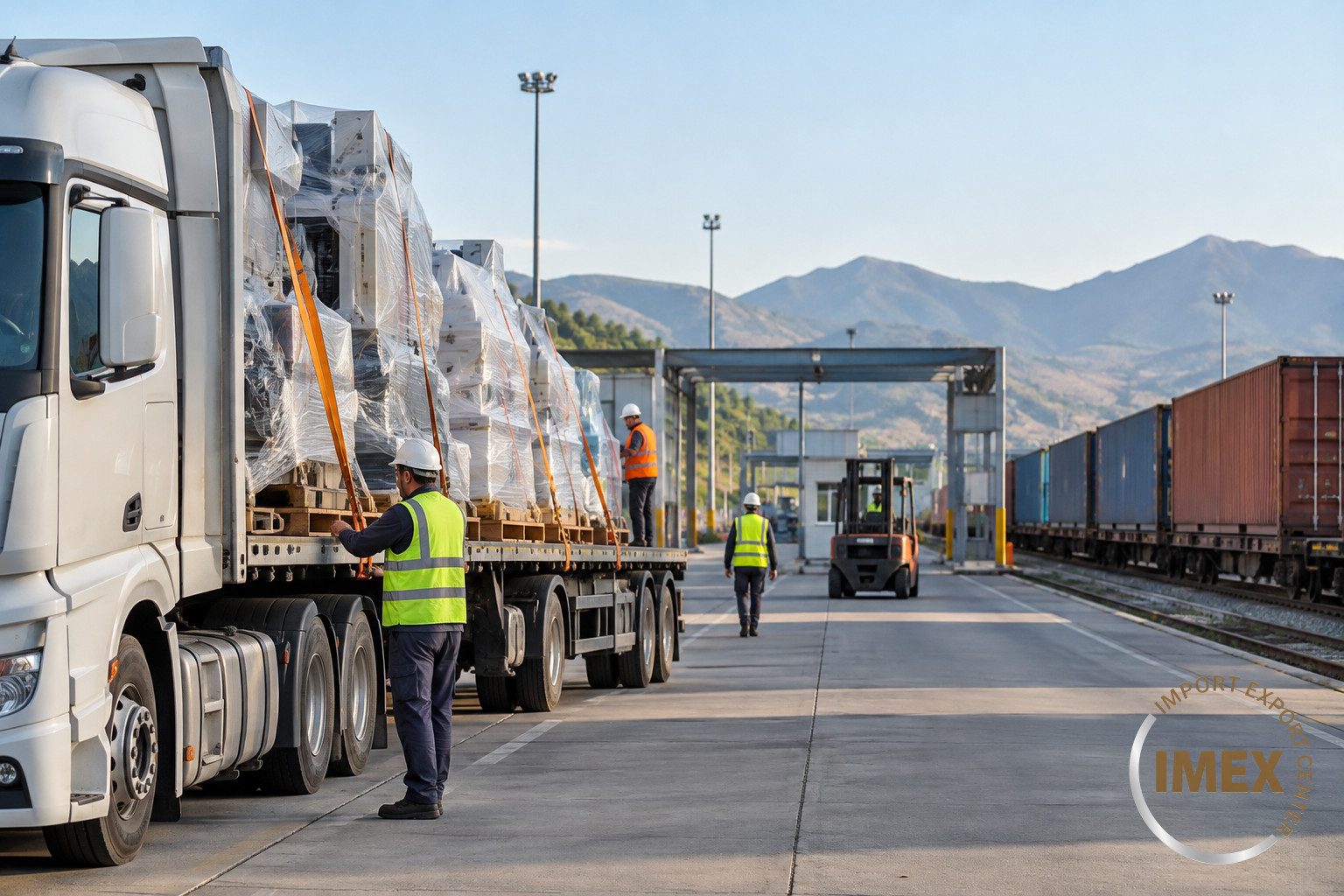
A competitive rail rate can still leave a shipment without a workable transport plan. The seller expects collection from its factory. The buyer expects delivery to its warehouse. The rail provider has priced only the movement between two terminals—and nobody owns the gaps.
That is where rail freight business opportunities become commercially meaningful. The strongest proposition is not simply a lower rate. It is a clearly defined service that fits the cargo, corridor and purchasing arrangement, with explicit responsibilities for everything outside it.
For rail operators, freight forwarders and multimodal logistics companies, commercial success starts with translating corridor knowledge into a proposal a trading business can use. Present that expertise on IMEX Center, then qualify each enquiry on its operational and contractual merits. A country match or an interested contact is a starting point, not a shipment commitment.
Where Rail Freight Opportunities Become Qualified Enquiries
A request for “rail freight to the buyer” may describe anything from terminal-to-terminal transport to a complete factory-to-warehouse movement. Before discussing price, establish which service the customer actually needs.
Separate three questions:
- Corridor fit: Can your business serve the proposed departure and arrival terminals, including any necessary transfers?
- Cargo fit: Can the service accept the goods, packaging, loading unit and handling requirements?
- Responsibility fit: Who will arrange and pay for the activities outside your quoted scope?
This changes the conversation from “What is your lowest rate?” to “Which parts of this shipment can you deliver, and under what conditions?”
Your commercial lead should resolve these questions during initial qualification. Operations should check the proposed movement before a firm offer is issued. If essential information is missing, explain what is needed and provide an indicative quotation only where its assumptions can be stated clearly.
Make Corridor Expertise Clear in Your Company Profile
A useful company profile explains what your business does, where it can do it and what evidence supports those claims. A list of countries is not enough.
Where a platform displays a verification status, read its stated scope. Business identity checks should not be presented as proof of rail capacity, operating authorisations, insurance coverage or future performance. Those matters require separate evidence relevant to the company and shipment.
Separate operating from arranging transport
State whether your business operates trains, arranges rail transport through carriers, provides terminal services or coordinates a wider multimodal movement. If your role changes by corridor, make that distinction visible.
Customers need to know who contracts with them and who performs each leg. An arranger can offer substantial value through coordination, but should not imply that it owns equipment or directly operates services unless that is true.
Describe commercially usable coverage
Include:
- Corridors and terminals your business can genuinely serve.
- Accepted cargo types, packaging and loading units.
- Whether collection, delivery and terminal handling are offered.
- Transfer or transloading services, where applicable.
- Important restrictions and requirements for booking confirmation.
- A named commercial contact and realistic response arrangements.
Keep coverage claims current. Your service owner should review them when routes, partners or acceptance conditions change. A profile listing must not imply that capacity is available on every departure.
Identify the Customer Behind the Shipment
A company may manufacture goods, import inputs and export finished products. Its business description does not determine who is responsible for a particular transport purchase.
Before preparing a proposal, establish:
- Who is requesting the quotation?
- Who has authority to instruct your business?
- Who will contract and pay for the service?
- Who controls cargo release at origin?
- Who can approve terminals and delivery arrangements?
- Who receives the goods or loading unit at destination?
Ask for the proposed delivery term, its named place and the applicable version. Incoterms 2020 allocate delivery obligations, costs and risk between buyer and seller. They do not determine payment or ownership, and they do not replace the transport service agreement.
If someone proposes FOB, CFR or CIF for a rail-only movement, flag the mismatch. These rules apply to sea and inland-waterway transport. The trading parties should agree an appropriate rule and precise named place before relying on assumptions derived from an unsuitable term. Do not choose the term for them without understanding the sale and delivery arrangement.
Explore Relevant Markets Without Confusing Geography with Feasibility
Start prospecting in regions connected to corridors your business can support. Look for trading businesses whose likely collection points, delivery locations and cargo requirements warrant a closer discussion.
Business listings, geographic discovery tools and trade requests, where available to your account, can help identify contacts. They are not substitutes for route planning, timetable checks, terminal acceptance or capacity confirmation.
A useful opening is specific: “We can assess transport between these terminals. Where will the cargo be collected, what is the loading unit, and where must it ultimately be delivered?”
That question demonstrates corridor knowledge without promising an unconfirmed solution. It also reveals whether the prospect needs your core service, a broader arrangement with partners or a different transport mode.
Before submitting a firm quotation, your operations owner should check relevant border interfaces, transit arrangements and route restrictions. Include customs or compliance specialists where the cargo, parties or route require their expertise. A commercially attractive corridor is not automatically a permissible or practical route for every shipment.
Turn Trade Requests into Focused Service Discussions
An underlying goods purchase may create a transport requirement, but a goods procurement request is not automatically an invitation to quote freight. Read its scope, participation rules and requested response before approaching the requester.
When a transport discussion is appropriate, use a consistent intake checklist.
Information needed before a firm offer
- Locations: Collection address, proposed terminals and final delivery address.
- Goods: Accurate description, packaging, gross weight, dimensions and handling restrictions.
- Special requirements: Dangerous goods, temperature control, security or other conditions requiring specific acceptance.
- Equipment: Loading unit, availability and responsibility for supply and return.
- Frequency: One-off or recurring movement, with expected shipment sizes.
- Handling: Loading, unloading, lifting, securing and possible transloading requirements.
- Dates: Cargo readiness, terminal cut-off requirements and requested delivery window.
- Commercial scope: Quotation recipient, contracting party and requested inclusions.
- Documentation: Available cargo records and responsibility for export, transit and import formalities.
The commercial contact should collect missing information before firm pricing. Operations should confirm service fit, while the responsible compliance specialist should resolve applicable restrictions before acceptance.
Where uncertainty remains, identify it beside the affected service or price. “Final delivery subject to a separate partner quotation” is more useful than a broad disclaimer that leaves the customer guessing.
Build a Proposal That Makes the Rail Leg Usable
Strong rail freight commercial proposals distinguish the work you will perform from the work someone else must arrange. The customer should not need to reconstruct the transport chain from exclusions scattered across several documents.
Hypothetical enquiry: factory to importer’s warehouse
A manufacturer requests transport of palletised industrial components from its factory to an overseas importer’s warehouse. A logistics company can arrange a suitable terminal-to-terminal rail movement, but collection and final delivery remain unconfirmed.
This is an illustrative scenario, not a customer case or a statement of available capacity.
The provider should divide the requirement into explicit sections:
- Factory to departure terminal: Who arranges collection, supplies the vehicle and loads the cargo?
- Departure terminal interface: Who books terminal access, supplies documentation and arranges handling?
- Rail movement: What terminal pair, loading unit and transport scope are offered?
- Intermediate interfaces: Are transfers or transloading required, and who is responsible?
- Arrival terminal interface: Who manages release, handling and collection readiness?
- Final delivery: Who arranges onward transport, receives the cargo and unloads it?
If the offer covers only the third section, say so prominently. If additional sections can be arranged, distinguish confirmed services from partner-dependent options and customer-arranged exclusions.
Before issuing the final offer, the commercial lead should assign an owner to every interface. Operations should confirm that the handovers work together rather than merely checking each leg in isolation.
Make quotations comparable
International rail transport quotations should state the pricing unit, currency, applicable taxes or their treatment, included services, exclusions, validity and acceptance conditions. Identify potential additional charges and their triggers without inventing amounts that have not been established.
Where relevant, address terminal storage, equipment use beyond an agreed period, customs examinations, cargo rehandling and changes requested after booking. Explain how unpriced additional work will be authorised.
Distinguish the customer’s requested delivery date from an indicative transit time and any expressly agreed service commitment. State the assumptions behind the schedule, including cargo readiness, documentation, terminal cut-offs, equipment and capacity.
A concise scope table often communicates these points better than a long paragraph of qualifications. The aim is comparability: a customer should not mistake a terminal-to-terminal rate for a complete delivered solution.
Coordinate Transport with Inspection, Insurance and Payment Conditions
Rail transport sits inside a wider transaction. Inspection requirements may affect cargo release. Insurance arrangements depend on the goods, route and handovers. Payment conditions may determine when a seller is willing to release the shipment.
None of these activities should be treated as automatically completed because a related quotation or draft document exists.
Before accepting the shipment, ask the responsible parties to confirm:
- Whether inspection is required and when the cargo will be available afterwards.
- Who arranges cargo insurance, what cover is required and how binding cover will be confirmed.
- Which documentary or payment conditions affect release.
- Whether the transport instructions match the agreed sale and delivery arrangement.
Carrier liability and cargo insurance are not interchangeable. The contract owner should check the applicable liability terms and claims requirements, while the customer or designated insurance provider confirms any separate cargo cover.
An LC at sight pays against complying documents under its terms; it is not automatic payment when a train arrives or a guarantee of goods quality. If transport documents are needed for payment, the parties and their banks should resolve those requirements before dispatch.
Treat draft agreements and bookings as distinct steps
If the parties use a pre-contract or automated document workflow, they must understand the document’s actual terms and intended legal effect. Do not assume that every draft is non-binding—or that generating one creates a confirmed booking.
A document workflow alone is not evidence of reserved rail capacity, bound insurance or executed payment. Obtain the relevant provider confirmations and complete the required acceptance steps.
Your commercial owner should reconcile the transport description with the latest quotation before acceptance. Operations should recheck feasibility whenever dates, cargo details or handovers change.
Resolve Handovers Before Booking
Use a documented negotiation process to settle the responsibilities a headline rate leaves unanswered. Keep the discussion practical: which business performs each task, where the handover occurs and what must be ready beforehand?
A responsibility checklist should cover:
- Delivery to the departure terminal.
- Terminal acceptance and handling arrangements.
- Shipment documents and customs coordination.
- Intermediate transfers, where applicable.
- Cargo release and receipt at destination.
- Exception management and approval of additional services.
Each provider should confirm its own scope. The commercial lead should reconcile those confirmations with the customer-facing offer before acceptance; operations should close practical gaps before booking.
If final delivery has no owner, propose either a separately confirmed delivery service or a clearly stated customer-arranged exclusion. If a delay occurs, name the contact responsible for updates and identify who can approve alternatives or extra costs. Do not let silence become an assumed obligation.
Frequently Asked Questions
Is a terminal-to-terminal quotation enough for an international shipment?
Yes, when the customer understands that scope and the remaining legs and interfaces have assigned owners. Collection, terminal handling, customs arrangements and final delivery must be addressed, whether included in your offer or supplied separately.
How should rail providers assess opportunities on a B2B platform?
Check corridor, cargo, equipment, dates and service scope—not just destination country. Establish who requests the quotation, who can authorise the movement, who contracts and pays, and whether the enquiry permits transport proposals. Validate operational feasibility before issuing a firm offer.
Does company verification confirm rail capacity or licensing?
No. Any verification status must be read within its stated scope. Business identification does not by itself establish capacity, operating authorisations, insurance or shipment-specific service capability. Request the relevant evidence separately.
Does an automated pre-contract confirm a rail booking?
Not by itself. Review the document’s terms and legal effect, obtain the required acceptance and complete the provider’s booking process. Capacity, insurance and payment each require their own applicable confirmations.
Connect Your Rail Service to the Businesses Behind the Cargo
For a rail operator or logistics company, the practical opportunity is to make corridor expertise useful to the businesses buying and selling goods. A credible profile opens the discussion; a well-qualified, clearly bounded proposal moves it towards a workable shipment.
On IMEX Center, start with an accurate company profile and describe only the corridors, roles and services your business can support. Use the discovery and enquiry functions available to your account without implying that a listing guarantees leads, capacity or commercial acceptance.
For partner procurement, use formal business RFQs only through an eligible company account and within the platform’s applicable permissions. Individual accounts are limited to service offerings after the required verification and IMEX Score of at least 20; they cannot list goods, bid on tenders, create formal RFQs or execute business pre-contracts.
Rail operators, freight forwarders and multimodal logistics companies: register your company at https://imex.center/auth. Assign a commercial owner to complete your service profile, then have operations validate the corridor claims before presenting them to prospective customers. Lead with a service you can explain and support—not a rate whose missing responsibilities emerge after acceptance.
Source or sell globally with IMEX Center
Browse verified suppliers →