Global Economy
Tariff Rate Quota: Why a Trade Agreement’s Lower Duty May Not Apply to Your Shipment
16 Oct 2026 · 10:02 CET
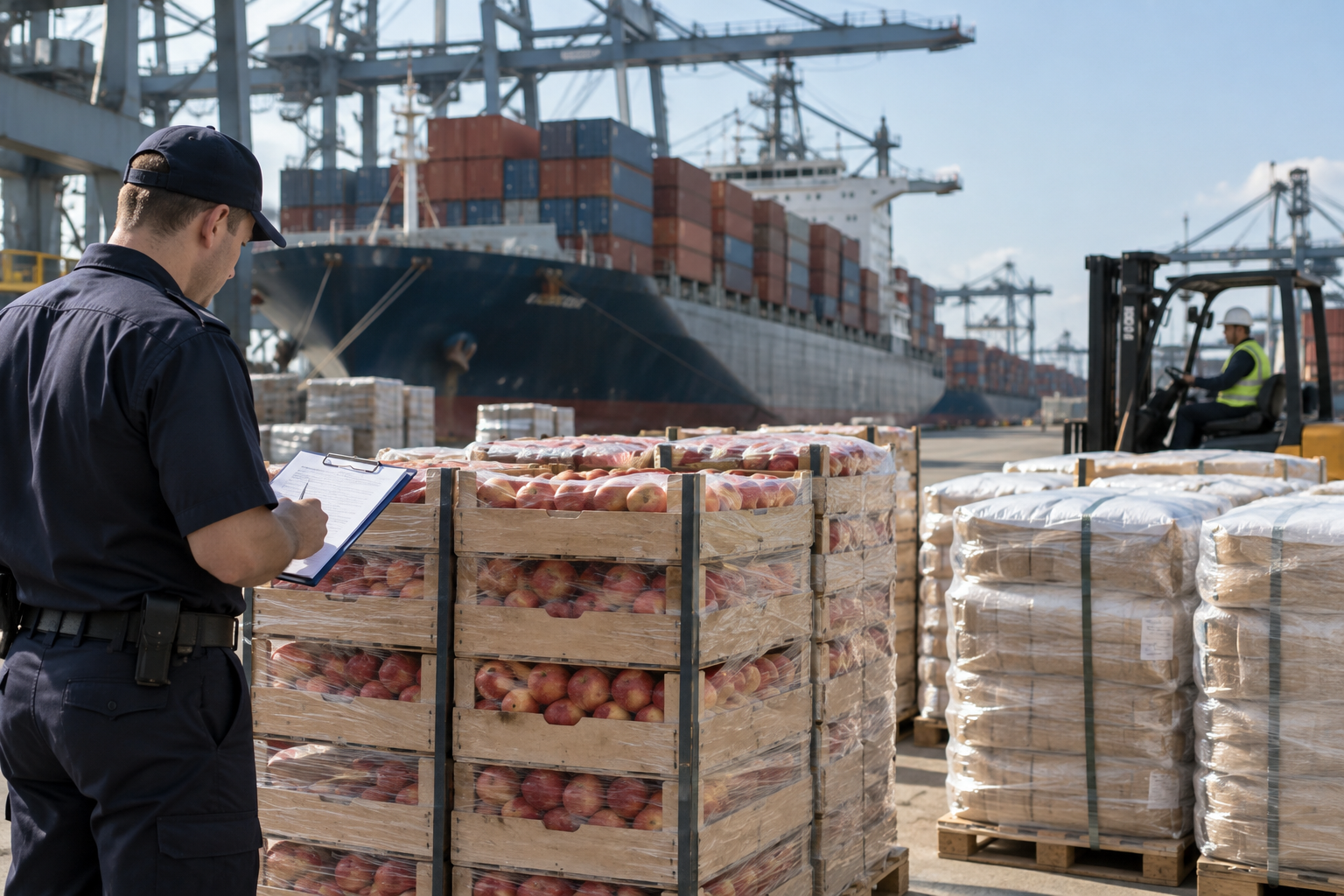
A tariff rate quota can make a supplier’s offer look more competitive than it will be at customs clearance. Where a trade agreement’s reduced duty is subject to a quota, an individual shipment must satisfy the applicable product, origin, authorization and allocation requirements. Preferential market access on paper is not the same as usable access for your purchase order.
Not every preferential tariff is subject to a quota. Where one applies, the commercial question is not simply, “What is the agreement’s tariff?” It is, “Can this shipment obtain that tariff, through which procedure, and what happens to margin if it cannot?”
How a tariff rate quota works
A tariff rate quota, often abbreviated to TRQ, generally allows a specified quantity of a product to enter at a lower in-quota duty during a defined period. Imports outside that access face an out-of-quota duty, subject to the applicable tariff framework.
The distinction between in-quota and out-of-quota tariffs matters because the lower rate is conditional, not an unlimited offer. In-quota duty may be reduced or zero; the actual rates must be verified for the product and importing market.
A tariff quota is not an absolute import quota
An absolute quota restricts the quantity that may be imported under the relevant measure. A TRQ instead creates different tariff treatment for imports within and outside the quota.
Quota exhaustion does not, by itself, mean imports are prohibited. A shipment may remain importable at a higher duty, provided other import requirements are met. Equally, unused quota does not prove that your shipment qualifies.
TRQs can arise under different trade arrangements, not only free trade agreements. Where several tariff routes potentially apply, the customs broker should identify the legally available treatment rather than assuming one agreement’s out-of-quota rate is the only alternative.
Why quota design changes supplier choice and trade flows
Quota allocation determines who can capture the tariff saving. Competing demand matters because otherwise eligible shipments may seek access to the same limited quantity.
First-come allocation
Under a first-come system, access depends on the authority’s prescribed sequence and allocation rules. The decisive event may be acceptance of a customs declaration or another specified step—not the purchase order date, vessel departure or physical arrival alone.
This can favor suppliers with shorter, more predictable lead times and complete documentation. Buyers may concentrate purchases around a quota opening, but early shipment is not a guarantee of allocation. Ask the broker what happens when eligible requests exceed the remaining balance.
Licensing or prior allocation
Some systems require an importer to obtain a licence, allocation or other authorization before claiming the lower rate. Eligibility criteria, application windows, allocation methods and licence conditions can shape access.
An established licence holder may have a commercial advantage over a new buyer, even when both source the same product. A licence may also impose limits on quantity, validity or use. Do not assume it is transferable or that it replaces origin and customs requirements.
Country-specific access
A quota may reserve access for products originating in a particular country or group of countries. The country of shipment is not necessarily the country of origin.
This can redirect purchasing toward eligible origins and concentrate orders among suppliers able to document compliance. However, demand within that country-specific pool can still exceed availability. A supplier’s location alone does not establish access.
Why an attractive supplier quote can miss the real cost
Treat tariff quota eligibility as four separate checks. Passing one does not compensate for failing another.
1. Product coverage
Confirm the importing market’s tariff classification and the quota’s exact product description. Composition, processing, presentation or intended use may affect coverage. A supplier’s export classification is a useful starting point, not a substitute for import classification.
2. Origin eligibility
Check any origin conditions attached to the quota. Where preferential origin is required, verify the applicable origin rule and supporting proof. Buying from a business in an agreement partner country does not automatically make its goods originating.
The supplier should provide the required evidence by the agreed document deadline. The importer and broker should review it early enough to resolve gaps before shipment or any earlier application deadline.
3. Importer authorization
Establish whether the importer needs registration, a licence, an allocated quantity or another approval. Check which legal entity holds the authorization and whether it covers the proposed goods, quantity and period.
4. Quota availability and valid allocation
Determine whether the shipment can receive allocation under the relevant procedure. A supplier cannot guarantee this merely by stating that a lower tariff exists.
Before approving the quotation, procurement should obtain a written qualification checklist from the broker covering:
- Import tariff code and quota product scope.
- Eligible origin and required documentation.
- Importer registrations, licences and unused allocated quantity, where applicable.
- Applicable rates and the event that determines quota access.
- The fallback treatment if access is unavailable or the claim fails.
Model the purchase under two duty scenarios
The importer’s finance lead should approve both an in-quota and a lawful fallback landed-cost model before the order is committed. The fallback will often be the out-of-quota rate, but the broker should check whether another tariff treatment is available. A purchase that works only at the lower duty needs an explicit risk decision.
Use the same underlying commercial assumptions in both scenarios so the effect of tariff access is visible:
- Supplier price and currency exposure.
- Customs value and required valuation adjustments, as the basis for duty calculations.
- International freight and insurance.
- Applicable customs duty.
- Other applicable duties, taxes, fees and compliance costs.
- Brokerage, handling, storage and inland transport.
- Financing costs and expected selling margin.
Customs value is a calculation base, not an additional expense to add on top of the supplier price. Avoid counting freight, insurance or other amounts twice when they are already included in quoted costs.
Where duty is ad valorem, calculate it using the applicable customs value and rate. Specific or compound duties require the prescribed quantity-based or combined calculation. Import taxes may also change when customs duty changes; distinguish recoverable tax cash flow from permanent cost.
Compare contribution margin, working-capital needs and any customer pricing commitments under both outcomes. Add a sensitivity check for delays or storage rather than assuming a higher duty is the only downside.
Finance should then set a decision rule: approve the higher-duty exposure, cap the order quantity, require stronger allocation evidence, renegotiate the price or select another source. An estimated likelihood of quota access is not a confirmed entitlement.
Match contractual commitments to allocation risk
Before signing, procurement and the customs broker should establish the applicable reservation or allocation procedure—and whether any reservation is actually possible. Do not build a purchase plan around a mechanism the system does not offer.
Use contract terms to address controllable risks, while recognizing that private agreements cannot bind customs authorities.
Pre-contract checklist
- Procurement, before signature: agree shipment windows, permissible split deliveries and any delay or cancellation options. Confirm these options are compatible with quota rules.
- Broker or trade compliance lead, before signature: document the allocation steps, required evidence and latest practical filing milestones.
- Supplier, by the contractual document deadline: provide accurate product specifications and the required origin evidence.
- Finance, before deposit or irrevocable commitment: approve the maximum duty exposure and working-capital requirement.
- Procurement and legal, before signature: specify who bears additional duty, storage or rework costs if allocation is unavailable or documents are defective.
Record the agreed Incoterms® rule, named place or port, and edition, but do not treat it as a complete solution to quota risk. Importer-of-record status, eligibility, documentary obligations and the commercial allocation of unexpected costs need explicit attention.
If the shipment misses access, the agreed response should already be clear: proceed at the approved fallback rate, claim another legally available tariff treatment, or exercise a contractual flexibility option. Avoid assuming that delaying customs filing will preserve eligibility or reduce total cost.
Verify before booking and again before customs filing
Customs clearance under a tariff rate quota requires current information. A correct assessment at quotation stage can become commercially outdated as competing imports consume the available quantity.
The broker or trade compliance lead should verify the position before freight booking and again before the relevant customs filing or allocation request. Where licensing deadlines occur earlier, verification must precede those deadlines too.
Use primary sources:
- Importing customs authority: current quota notices, tariff treatment, balances where published, filing instructions and allocation procedures.
- Official trade agreement schedules and implementing tariff measures: product coverage, rates and quota provisions.
- Licensing or administering authority: application windows, importer eligibility, licence conditions and allocation guidance.
Record the source, retrieval time and assumptions in the shipment file. Check the quota period, quantity unit and whether the information is provisional or subject to updates.
Why a published balance is not a guarantee
A displayed balance may not reflect pending claims or all competing requests. It may describe a quota pool that your product, origin or importer cannot use. Even a current positive balance does not reserve quantity for your shipment.
Ask the broker to distinguish observed availability, submitted allocation request and confirmed allocation. Confirmed allocation still requires compliance with the applicable licence and customs conditions. If uncertainty remains before booking, procurement should pause the commitment or obtain finance’s approval for the higher-duty outcome—not present the lower rate as secured.
Frequently asked questions
Does quota exhaustion mean my goods cannot be imported?
Not necessarily. A tariff quota generally changes the duty applicable outside the quota rather than prohibiting imports. Other restrictions may still apply, so the broker must confirm lawful importability and fallback tariff treatment.
Does an available quota balance prove my shipment qualifies?
No. Product coverage and any applicable origin, importer authorization and allocation requirements must also be satisfied. Published balances may not capture pending demand and do not, by themselves, reserve access.
Can a supplier guarantee the in-quota duty?
A supplier can commit to accurate specifications, required documents and agreed shipment timing. It generally cannot guarantee an authority’s allocation decision. Any commercial duty guarantee should define responsibility and remedies without being treated as proof of customs entitlement.
When should the importer check quota access?
Start before signing the purchase order and before any licensing deadline. Recheck before freight booking and before the relevant customs filing or allocation request, using current official information and the applicable procedural rules.
Source on usable access, not headline duty
The strongest sourcing decision combines supplier competitiveness with verified eligibility, a workable allocation process and an affordable fallback. Lower duty is valuable only when the transaction can legally obtain it.
Ready to compare supply options? Source or list on IMEX Center. Buyers should specify product requirements, origin evidence and shipment flexibility in their enquiries; suppliers should make those capabilities clear in their listings. Confirm shipment-specific tariff access with the responsible authorities and your customs adviser before committing.
Source or sell globally with IMEX Center
Browse verified suppliers →